Patagonia Puma & Penguin Photography Tour 14 Days Argentina & Chile
South Patagonia Wildlife Photography Safari in Torres del Paine & Tierra del Fuego
Experience the ultimate Patagonia wildlife photography tour, combining puma tracking in Torres del Paine with penguin photography at Argentina's most accessible colonies. This 14-day photo safari takes you from the Atlantic coast of Patagonia—home to Southern Rockhopper Penguins and Commerson's dolphins—to the southernmost city in the world, Ushuaia, with its Gentoo Penguin colonies and Beagle Channel wildlife.
The centerpiece of this Argentina Chile photography tour is three full days dedicated to puma photography in Torres del Paine National Park, where expert trackers help you capture Patagonian pumas hunting guanacos against the iconic Paine Massif backdrop. With 95% puma sighting success, small group photography (max 8 guests), and bilingual photography guides, this is the best Patagonia photo safari for serious wildlife photographers seeking the Big Five of Patagonia: puma, penguin, orca, sea lion, and Andean condor.
Key Photography Targets: Patagonian Puma, Southern Rockhopper Penguin, Magellanic Penguin, Gentoo Penguin, Commerson's Dolphin, Andean Condor, Guanaco
Photography Focus: Patagonian steppe wildlife, coastal landscapes, golden hour arrivals
Your Patagonia wildlife photography expedition begins with a morning flight from Buenos Aires to Comodoro Rivadavia, followed by a private 4x4 transfer to Puerto Deseado—a historic fishing port on the Deseado River estuary and gateway to the Galapagos of Patagonia.
Scenic Transfer Wildlife Photography (4 hours):
Lesser Rhea (Rhea pennata)—Darwin's "South American ostrich"
Elegant Crested Tinamou (Eudromia elegans)—cryptic steppe birds
Guanaco (Lama guanicoe)—wild camelids in family groups
South American Gray Fox (Lycalopex griseus)
Large Hairy Armadillo (Chaetophractus villosus)
Arrive in Puerto Deseado by late afternoon. This small fishing village, visited by Charles Darwin in 1833, serves as your base for Patagonia coastal wildlife photography. Evening briefing on penguin photography techniques and gear preparation.
Accommodation: Hotel in Puerto Deseado
Meals: Dinner
Photography Notes: Test long lenses (200–600mm recommended); prepare for cold, windy conditions; waterproof gear essential
Day 1: Buenos Aires to Puerto Deseado | Atlantic Coast Arrival
Day 2: Puerto Deseado | Ría Deseado Boat Safari & Penguin Colonies
Photography Focus: Magellanic Penguins, cormorants, marine mammals, seabird flight photography
Full day exploring the Ría Deseado Natural Reserve, a 42km tidal estuary with extraordinary marine biodiversity.
Morning: Coastal Bird Photography
Patagonian Meadowlark (Leistes loyca)—vibrant red-breasted songbirds
American Oystercatcher, Blackish Oystercatcher, Magellanic Oystercatcher
Tawny-throated Dotterel (Oreopholus ruficollis)—stunning shorebird
Southern Giant Petrel (Macronectes giganteus)
Afternoon: Ría Deseado Boat Excursion (3 hours):
Magellanic Cormorant, Red-legged Cormorant, Imperial Cormorant—three species nesting side by side
Flightless Steamer-Duck (Tachyeres pteneres)—endemic, comical waterfowl
Snowy Sheathbill (Chionis albus)—Antarctic scavenger
Dolphin Gull (Leucophaeus scoresbii) on cliffs
South American Sea Lions (Otaria flavescens) resting on rocky islands
Highlight: Disembark on a sandy island for intimate Magellanic Penguin photography (Spheniscus magellanicus)—penguins show no fear, allowing eye-level portraits.
Accommodation: Hotel in Puerto Deseado
Meals: Breakfast, lunch, dinner
Photography Notes: Polarizing filter for water reflections; fast shutter (1/1000s+) for flying cormorants; wide-angle for penguin colony environmental shots
Photography Focus: Southern Rockhopper Penguins, marine wildlife, island landscapes
Morning: Boat Journey to Isla Pingüino (1 hour navigation):
Commerson's Dolphin (Cephalorhynchus commersonii)—black-and-white "panda dolphins"
Peale's Dolphin (Lagenorhynchus australis)
Black-browed Albatross (Thalassarche melanophris)
Southern Giant Petrel following the boat
Isla Pingüino Marine Park (4 hours on island): The only accessible Southern Rockhopper Penguin colony (Eudyptes chrysocome) on mainland South America. These charismatic penguins with their wild yellow eyebrows and red eyes offer extraordinary wildlife photography opportunities:
Eye-level penguin portraits on rocky terrain
Rockhopper behavior: preening, hopping between rocks, territorial displays
Mixed colony with Magellanic Penguins
South American Sea Lions and Southern Elephant Seals
Chilean Skua and South American Tern in flight
Afternoon: Return to Puerto Deseado for coastal landscape photography at golden hour.
Accommodation: Hotel in Puerto Deseado
Meals: Breakfast, lunch, dinner
Photography Notes: This is THE day for penguin photography—bring extra memory cards; 70–200mm ideal for close work; protect gear from salt spray
Day 3: Isla Pingüino | Southern Rockhopper Penguin Photography
Day 4: Puerto Deseado to Puerto San Julián | Patagonian Steppe Safari
Photography Focus: Steppe wildlife, transitional landscapes, roadside photography
Full Day Transfer (6 hours) south toward El Calafate, with overnight stop in Puerto San Julián—natural harbor where Magellan landed in 1520.
Wildlife Photography Stops:
Patagonian Mara (Dolichotis patagonum)—rabbit-like rodents in large groups
Patagonian Tinamou (Tinamotis ingoufi)
Humboldt's Hog-nosed Skunk (Conepatus humboldtii)
More Guanaco, Lesser Rhea, Gray Fox, Armadillo
Patagonian Mockingbird (Mimus patagonicus)
Cinereous Harrier and Aplomado Falcon
Accommodation: Hotel in Puerto San Julián
Meals: Breakfast, lunch, dinner
Photography Notes: Be ready for sudden wildlife sightings; 400mm+ recommended for shy steppe species; golden hour light on Patagonian plains
Day 5: Puerto San Julián to El Calafate | Andean Foothills Arrival
Photography Focus: Wetland birds, glacial landscapes, Laguna Nimez bird photography
Cross vast Patagonian steppes to El Calafate, gateway to Los Glaciares National Park and the Perito Moreno Glacier.
Afternoon: Reserva Laguna Nimez (2 hours): This wetland reserve at Lago Argentino offers exceptional bird photography in Patagonia:
Chilean Flamingo (Phoenicopterus chilensis)—pink against turquoise waters
Andean Duck, Yellow-billed Pintail, Red Shoveler, Chiloe Wigeon
Black-necked Swan (Cygnus melancoryphus)
Coscoroba Swan (Coscoroba coscoroba)—world's smallest swan
White-winged Coot, Magellanic Snipe, Black-faced Ibis
Upland Goose (Chloephaga picta)
Accommodation: Hotel in El Calafate
Meals: Breakfast, lunch, dinner
Photography Notes: Best light late afternoon; 100–400mm ideal for waterfowl; bring wide-angle for Lago Argentino landscapes

Day 6: Los Glaciares National Park | Perito Moreno Glacier Photography
Photography Focus: Glacial landscapes, ice calving, Andean condors, forest birds
Full day in UNESCO Los Glaciares National Park (726,927 ha)—Argentina's largest national park and world's third largest freshwater reserve.
Morning: La Hoya del Chingue Snow Park:
Landscape photography of Andean peaks and Lago Argentino
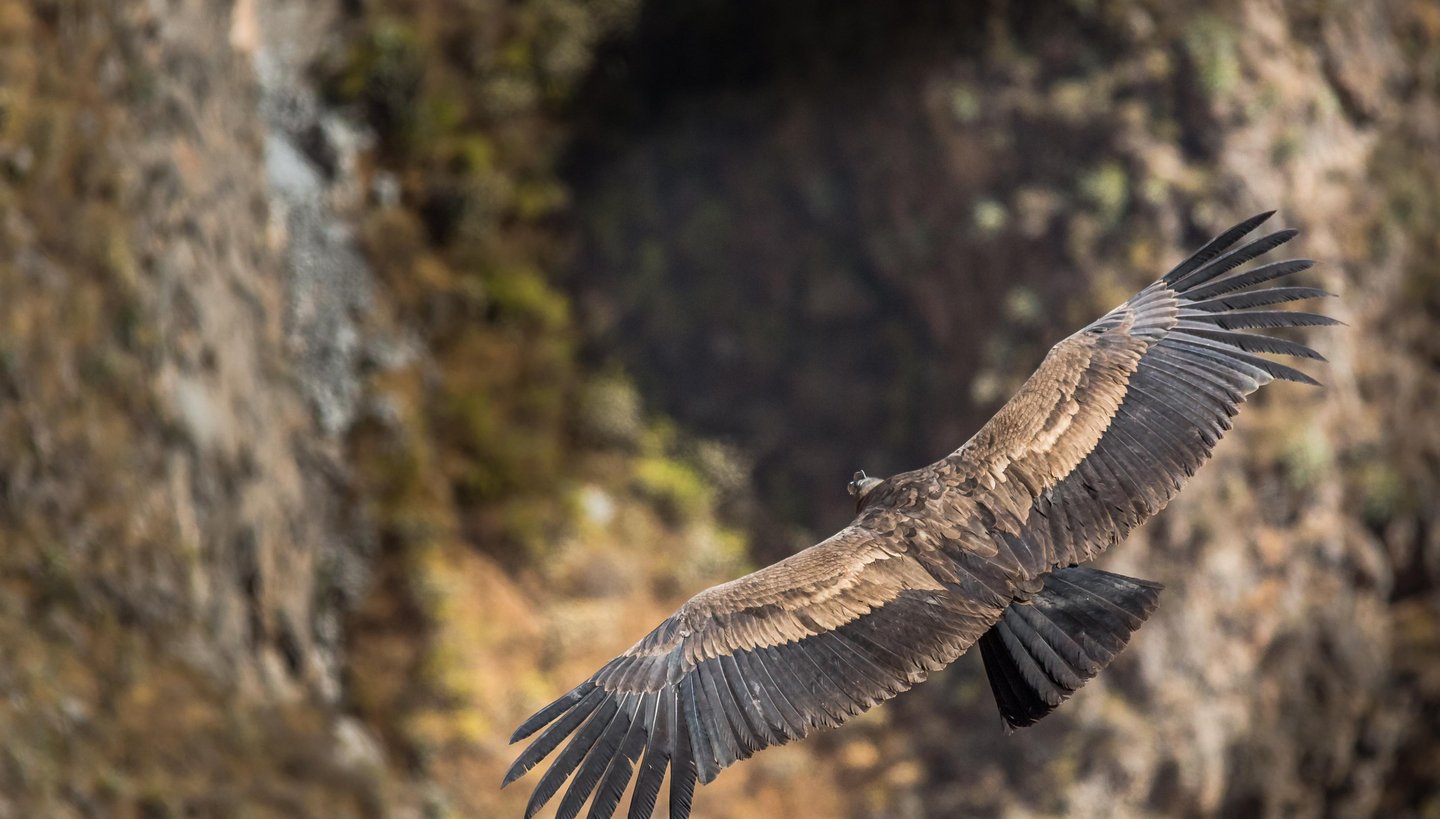
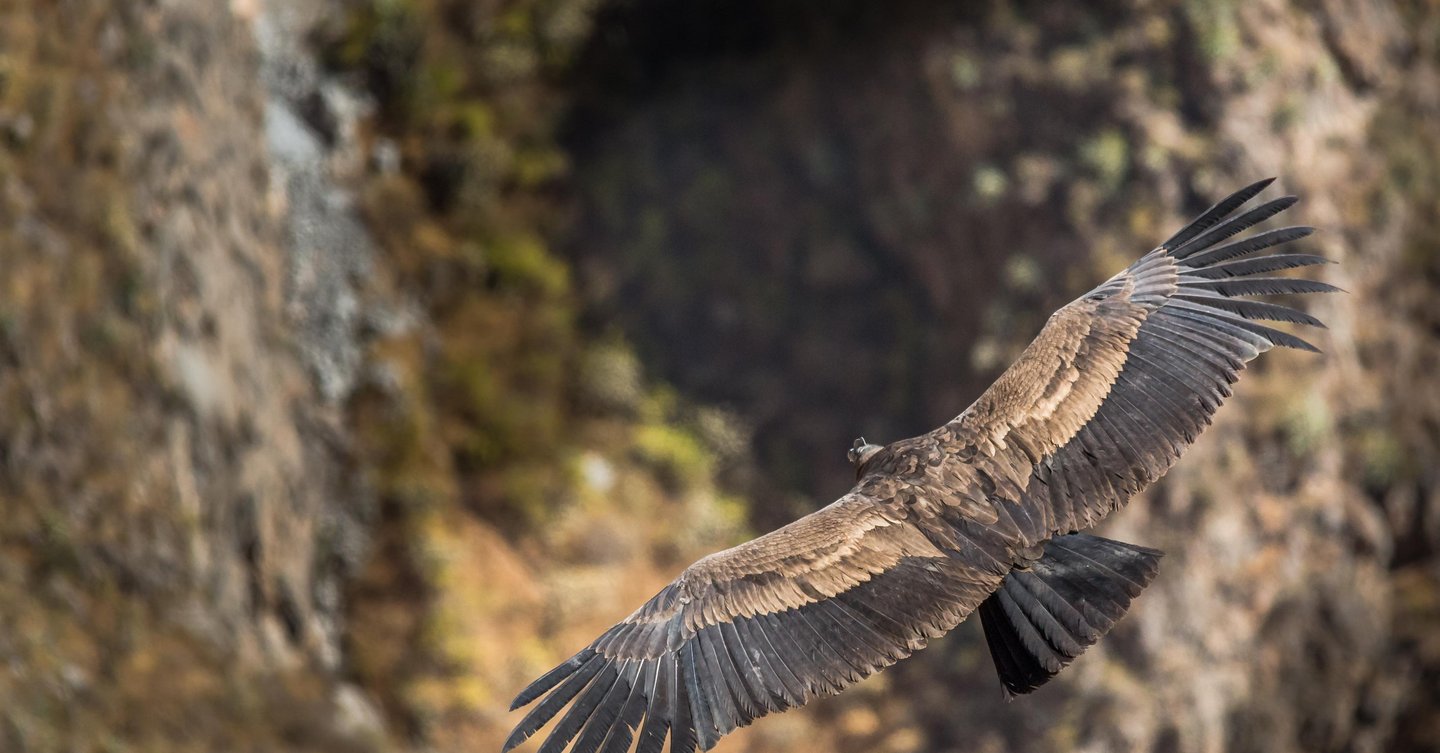
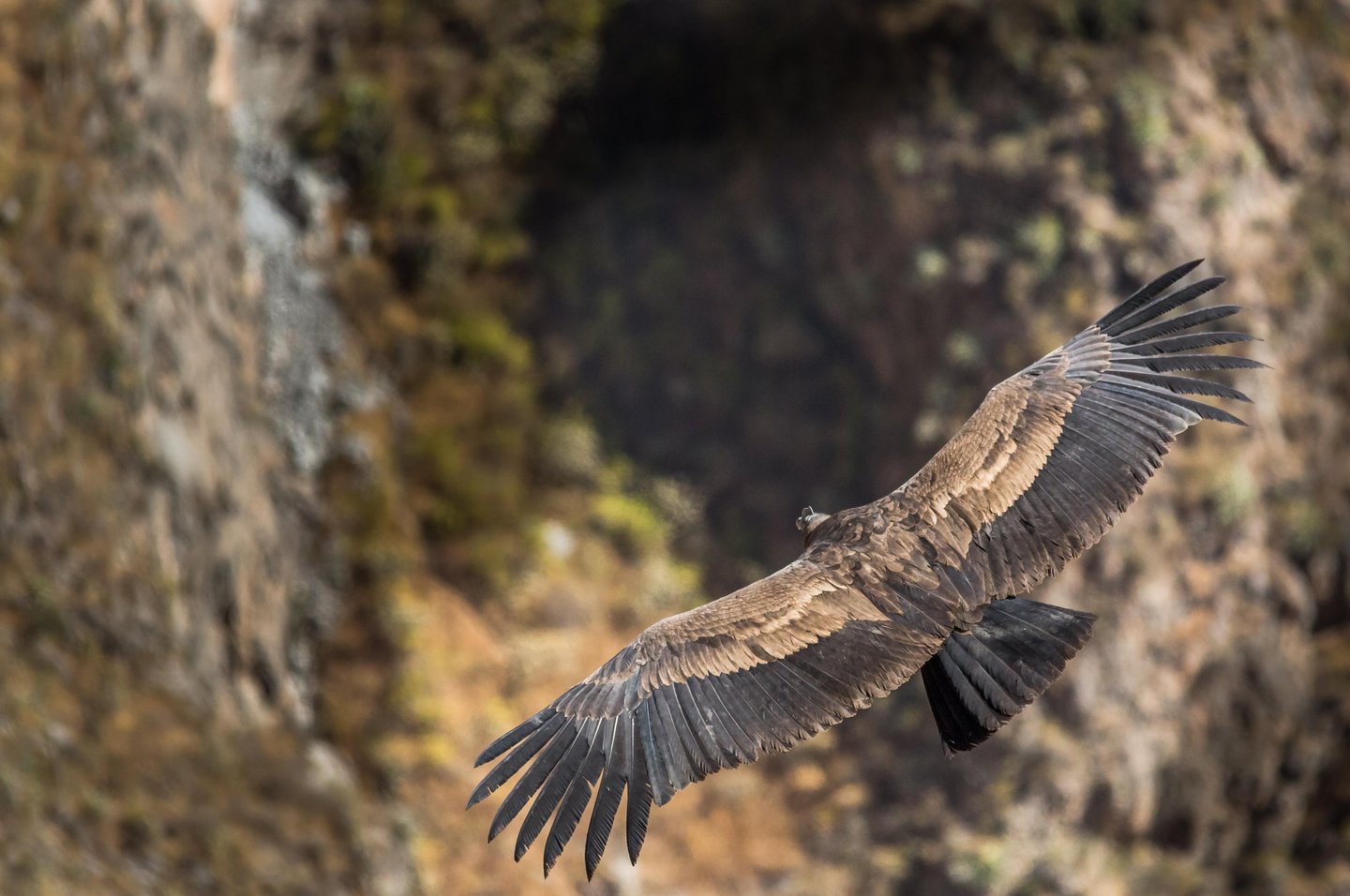
Crested Caracara, Andean Condor (Vultur gryphus)
Torrent Duck (Merganetta armata) in mountain streams
Afternoon: Perito Moreno Glacier:
Glacier photography from boardwalks—30km long ice wall
Ice calving photography (frequent collapses into Lago Argentino)
Magellanic Woodpecker (Campephilus magellanicus)—largest woodpecker in South America
Austral Parakeet, White-throated Treerunner
Accommodation: Hotel in El Calafate
Meals: Breakfast, lunch, dinner
Photography Notes: Tripod essential for glacier shots; neutral density filter for long exposures; telephoto for ice calving sequences
Day 7: El Calafate to Torres del Paine | Puma Territory Arrival
Photography Focus: Puma tracking, behavior sequences, guanaco interactions, landscape-puma composites
Three full days dedicated to puma photography (Puma concolor)—the largest felid in Patagonia and apex predator of the region. With expert puma trackers, you'll search the Patagonian steppe and lenga forests of Torres del Paine for these elusive cats.
Daily Schedule:
Pre-dawn: 4:30 AM departure with trackers already in field
Morning session: 5:30–11:00 AM (prime puma activity)
Midday: Rest, image review, technique workshops
Afternoon session: 3:30–8:00 PM (golden hour puma activity)
Night: Optional astrophotography with puma silhouettes
Puma Photography Opportunities:
Puma hunting guanaco—dramatic chase sequences
Puma family groups—females with cubs (Sept–March)
Puma resting on rocky outcrops with Torres del Paine backdrop
Puma walking through golden grasslands
Behavioral shots: grooming, yawning, scent-marking
Secondary Wildlife:
Andean Condor at carcass sites
Gray Fox, Patagonian Skunk
Austral Pygmy-Owl, Magellanic Horned Owl
Chilean Flamingo at Laguna Amarga
Accommodation: Hotel in Torres del Paine National Park
Meals: Breakfast, lunch, dinner (all 3 days)
Photography Notes: This is the highlight of the tour—patience essential; maintain 30m distance; silent camera mode; burst mode for action
Photography Focus: Border crossing landscapes, guanaco herds, first puma scans
Morning Transfer (4.5 hours) across the Chilean border to Torres del Paine National Park—the best place in the world to photograph wild pumas.
Scenic Drive Wildlife:
Guanaco herds—primary puma prey
Andean Condor soaring above steppe
South American Gray Fox, Patagonian Hog-nosed Skunk
Austral Negrito, Chocolate-vented Tyrant
Afternoon: Arrive at lodge near Torres del Paine, evening briefing with local puma trackers on puma behavior and tracking techniques.
Accommodation: Hotel in Torres del Paine National Park
Meals: Breakfast, lunch, dinner
Photography Notes: Charge all batteries; prepare for 4:30 AM starts; 600mm+ recommended for distant pumas; monopod useful for long waits
Days 8–10: Torres del Paine | Intensive Puma Photography
Day 11: Torres del Paine to El Calafate | Final Puma Session
Photography Focus: Sunrise puma, farewell landscapes, border crossing
Early Morning: Final puma tracking session at sunrise. Return to El Calafate by afternoon with Patagonian steppe photography stops.
Accommodation: Hotel in El Calafate
Meals: Breakfast, lunch, dinner
Day 12: El Calafate to Ushuaia | End of the World Arrival
Photography Focus: Gentoo Penguins, Beagle Channel landscapes, subantarctic forests
Morning Flight to Ushuaia—the southernmost city in the world, surrounded by the Andes Mountains and Beagle Channel.
Afternoon: Estancia Harberton & Isla Martillo:
Boat navigation to Isla Martillo—world's most accessible Gentoo Penguin colony (Pygoscelis papua)
Magellanic Penguins sharing the beach
King Penguins (Aptenodytes patagonicus)—rare visitors but occasionally seen
Walk among penguins with local guide—no fear behavior allows close wildlife photography
Return Drive: Patagonian forest photography—lenga beech, coihue, ñire trees with Andean backdrop.
Accommodation: Hotel in Ushuaia
Meals: Breakfast, lunch, dinner
Photography Notes: Gentoo penguins more active than Magellanic; 24–70mm viable for close work; protect gear from subantarctic winds
Day 13: Tierra del Fuego National Park & Beagle Channel
Photography Focus: Magellanic Woodpecker, seabird flight photography, marine mammals
Morning: Tierra del Fuego National Park:
Magellanic Woodpecker photography in lenga forest
Austral Parakeet, Thorn-tailed Rayadito
Patagonian Sierra-Finch, White-crested Elaenia
Afternoon: Beagle Channel Cruise (5 hours):
South American Sea Lion colony at Isla de los Lobos
Dusky Dolphin (Lagenorhynchus obscurus) and Humpback Whale (Megaptera novaeangliae)—seasonal
Black-browed Albatross (Thalassarche melanophris)—dynamic flight photography
Southern Giant Petrel, Southern Fulmar gliding behind ferry
Isla Martillo circumnavigation (no landing)
Accommodation: Hotel in Ushuaia
Meals: Breakfast, lunch, dinner
Photography Notes: Fast shutter (1/2000s+) for albatross flight; wide-angle for Beagle Channel landscapes; tripod for forest bird photography
Day 14: Ushuaia to Home | Raptor Photography & Departure
Photography Focus: Birds of prey, urban wildlife, final Patagonian light
Morning: Ushuaia City Dump—surprisingly productive raptor photography location:
Crested Caracara (Caracara plancus)
Chimango Caracara (Milvago chimango)
White-throated Caracara (Phalcoboenus albogularis)
Black-chested Buzzard-Eagle (Geranoaetus melanoleucus)
Turkey Vulture (Cathartes aura)
Transfer to Ushuaia Airport for flights to Buenos Aires and international connections.
Meals: Breakfast
PRICING & INCLUSIONS
Tour Price (Per Person)
4 people: 10200 USD – Price per person
6 people: 9000 USD – price per person
Single Room Supplement: 1600 USD
What's Included
✅ 13 nights accommodation (3–4 star hotels/lodges)
✅ All meals from Day 1 dinner through Day 14 breakfast
✅ Professional bilingual photography guide + local puma trackers
✅ All domestic flights (Buenos Aires–Comodoro Rivadavia, El Calafate–Ushuaia)
✅ Private 4x4 transfers throughout
✅ Boat excursions (Ría Deseado, Isla Pingüino, Beagle Channel, Isla Martillo)
✅ All national park fees (Los Glaciares, Torres del Paine, Tierra del Fuego)
✅ Puma tracking permits for Torres del Paine
✅ Photography workshops and image review sessions
Not Included
❌ International flights to/from Buenos Aires
❌ Travel insurance (mandatory—proof required)
❌ Photography equipment (rental available)
❌ Alcoholic beverages
❌ Gratuities for guides and trackers
❌ Personal expenses
PHOTOGRAPHY GEAR RECOMMENDATIONS
Essential Equipment Recommended Specifications
Camera Body DSLR/ mirrorless with weather sealing, burst mode 10fps+
Telephoto Lens 200–600mm or 100–400mm with 1.4x teleconverter for pumas
Mid-Range Zoom 70–200mm f/2.8 for penguins and closer wildlife
Wide-Angle 16–35mm for landscapes and astrophotography
Memory Cards 4x 64GB minimum (high-speed, backup essential)
Batteries 5+ spare batteries (cold weather drains power rapidly)
Rain Protection Waterproof camera cover, lens hoods, dry bags
Tripod Sturdy carbon fiber for landscapes and night shots
Clothing Layered system, waterproof jacket, thermal underwear, gaiters
BEST TIME TO VISIT
This Patagonia puma and penguin photography tour operates September–March:
September–October: Pumas with small cubs; spring wildflowers; fewer tourists
November–December: Peak penguin activity; chicks hatching; longest daylight hours
January–February: Warmest weather; best for Tierra del Fuego; peak tourist season
March: Autumn colors; pumas still active; migratory birds departing
Peak Puma Season: March–May (females with cubs) and winter months (snow backgrounds)